
TRT Dosage: FDA-Approved Forms and How Dosing Is Individualized

 Medically reviewed by Diana Medina, PA-C, board-certified Physician Associate · Last reviewed June 14, 2026
Key takeaways
- There is no single “correct” TRT dosage. FDA labels list reference ranges by form, but the right approach is individualized by a licensed provider to your lab results and symptoms, and you should never self-dose.
- FDA-approved testosterone comes in several forms, including intramuscular cypionate injection, subcutaneous enanthate (Xyosted), transdermal gels (AndroGel), and implantable pellets (Testopel), each with its own dosing schedule.
- A diagnosis of low testosterone generally requires symptoms plus at least two early-morning blood tests on separate days that are both below the normal range, because a single low reading is often normal on retest.
- Ongoing monitoring may include testosterone levels, hematocrit (red blood cell percentage), PSA, and, in some cases, estradiol. Testosterone gels also carry an FDA boxed warning about secondary exposure to children and women through skin contact.
A typical TRT dosage depends entirely on which FDA-approved testosterone form is used and on your individual labs and symptoms, so it is determined by a licensed provider rather than a fixed number you choose yourself. For example, FDA labeling for testosterone cypionate injection lists a reference range of 50 to 400 mg every two to four weeks, while the subcutaneous enanthate autoinjector Xyosted starts at 75 mg once weekly. These are label reference figures, not personal recommendations. This guide explains the approved forms, how dosing ranges are used, why diagnosis requires two morning labs, and what monitoring is involved. It is for education, not medical advice. Talk to a licensed provider before starting or changing any therapy.
What forms of testosterone are FDA-approved, and what are the typical dosing ranges?
Testosterone replacement therapy (TRT) is used to treat confirmed hypogonadism, a condition in which the body does not produce enough testosterone due to a problem with the testicles, pituitary gland, or hypothalamus. The FDA has approved several delivery forms. The table below shows label reference dosing for common examples. Every figure is a starting point that a clinician individualizes to your labs and symptoms. Do not use these numbers to self-dose.
| Form (example) | Route | FDA-label reference dosing | Notable label points |
|---|---|---|---|
| Testosterone cypionate | Intramuscular injection | 50 to 400 mg every 2 to 4 weeks | Available as 100 mg/mL and 200 mg/mL |
| Xyosted (testosterone enanthate) | Subcutaneous autoinjector | Start 75 mg once weekly; titrate in 25 mg steps to a 50 to 100 mg weekly range | Available as 50, 75, and 100 mg/0.5 mL |
| AndroGel (testosterone gel 1%) | Transdermal (skin) | Start 50 mg (5 g gel) once daily; titrate to 75 mg or 100 mg | Boxed warning for secondary exposure; goal is normal range (label cites 298 to 1043 ng/dL) |
| Testopel (testosterone pellets) | Subcutaneous implant | Implant two 75 mg pellets per 25 mg of weekly testosterone propionate needed | May provide levels for roughly 3 to 4 months, sometimes up to 6 months |
Injectable cypionate dosing of 50 to 400 mg every two to four weeks comes directly from the FDA-approved cypionate label. The Xyosted prescribing information describes weekly subcutaneous dosing with titration based on serum testosterone. Pellet dosing and the multi-month duration come from the Testopel label. Because the same milligram amount can produce very different blood levels from person to person, the dose that may be appropriate for one patient may be too high or too low for another.

Why is TRT dosage individualized to labs and symptoms?
FDA testosterone labels do not tell a clinician to pick one fixed dose. They direct dosing to be titrated so that serum testosterone stays within the normal range, guided by follow-up blood tests and how the patient responds. AndroGel labeling, for instance, sets the goal of keeping levels in the normal range and adjusting the dose up or down accordingly. This is why two people on the “same” product may end up on different doses.
Individualization also accounts for the form. Injections produce peaks and troughs between doses, gels deliver a steadier daily level but carry transfer risk, and pellets release slowly over months and cannot be removed easily once implanted. A licensed provider weighs these trade-offs alongside your symptoms, other medications, and health history. The core safety point is simple: dosing is a clinical decision made with monitoring, and self-adjusting or sourcing testosterone without supervision can be dangerous.
How is low testosterone diagnosed before TRT is prescribed?
Diagnosis generally requires both symptoms and unequivocally low blood levels. Current FDA labels, including Xyosted and Testopel, require confirming hypogonadism by measuring serum testosterone in the morning on at least two separate days, with both results below the normal range, before starting therapy. The 2018 Endocrine Society Clinical Practice Guideline similarly recommends a fasting morning total testosterone measured on two separate mornings, and notes that roughly 30% of men who test in the low range on the first test are normal on retest.
The AUA Testosterone Deficiency Guideline treats a total testosterone below 300 ng/dL as a reasonable diagnostic cut-off, made only after two early-morning measurements on separate occasions. This is why a single at-home or one-off low reading does not confirm low testosterone. A licensed clinician interprets the labs together with your symptoms before any prescription is considered.
Is FDA-approved TRT meant for “low T from aging”?
No. FDA-approved testosterone is indicated for classical, or organic, hypogonadism with a known structural or genetic cause. Even after the FDA’s 2025 class-wide labeling update, the labels retain a Limitation of Use stating that safety and efficacy in men with “age-related hypogonadism” has not been established. TRT is not approved as an anti-aging, energy, libido, athletic, or muscle-building treatment, and it should not be used that way.
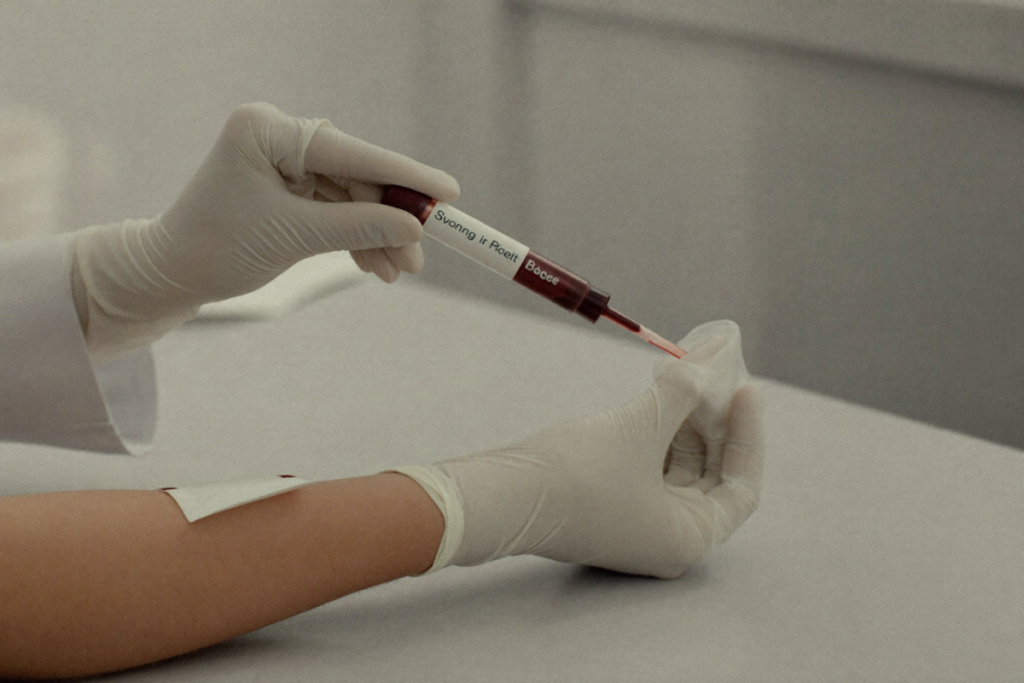
What monitoring does TRT require?
Because testosterone affects multiple organ systems, FDA labels recommend periodic monitoring. This commonly includes repeat testosterone levels to confirm dosing, hemoglobin and hematocrit to detect polycythemia (too many red blood cells), and periodic PSA assessment. AndroGel labeling specifies checking hematocrit at about 3 to 6 months, then annually.
| What is monitored | Why it may matter |
|---|---|
| Serum testosterone | Confirms levels are in the normal range so the dose can be adjusted |
| Hemoglobin / hematocrit | TRT can raise red blood cell counts; guidelines advise reducing or stopping therapy if hematocrit exceeds about 54% (a guideline threshold, not in every FDA label) |
| PSA | Periodic prostate assessment per FDA labeling |
| Estradiol | Not a routine label parameter; guidelines suggest checking mainly with breast symptoms or gynecomastia |
| Blood pressure | The FDA added a class-wide warning in 2025 that all testosterone products can increase blood pressure |
Estradiol is not a routine FDA-label monitoring parameter, and routine aromatase-inhibitor use is not an FDA-approved part of TRT. Guidelines advise measuring estradiol in patients with breast symptoms or gynecomastia rather than universally. A provider decides which tests apply to you and how often.
What are the key safety warnings to know?
Testosterone gels carry an FDA boxed warning for secondary exposure: virilization has been reported in children who came into skin contact with unwashed or unclothed application sites. Anyone using a gel must follow the label’s hygiene precautions to protect children and women in the household. On February 28, 2025, the FDA issued class-wide labeling changes that removed the cardiovascular-risk language from the boxed warning and added a new warning that all testosterone products can increase blood pressure. The cardiovascular change followed the TRAVERSE trial (NEJM, 2023), which found TRT noninferior to placebo for major adverse cardiac events (7.0% vs 7.3%) in 5,246 hypogonadal men aged 45 to 80 with high cardiovascular risk. That does not mean TRT is “heart-safe” for everyone; it means TRT was noninferior to placebo for those events in the studied population. Testosterone is also a DEA Schedule III controlled substance, and telehealth prescribing requires a provider licensed in your state.
Is compounded testosterone the same as FDA-approved TRT?
No. Compounded testosterone (503A or 503B) is not FDA-approved, and the FDA does not review compounded drugs for safety, efficacy, or quality. As of 2026, the regulatory environment is tightening, with FDA warning letters to some compounders and telehealth distributors. A separate, often-misreported development is the April 20, 2026 Federal Register notice inviting holders of approved TRT products to pursue a potential new indication for low libido in men with idiopathic hypogonadism. This is an emerging regulatory step, not a current approval, and it does not mean TRT is now FDA-approved for libido or age-related low testosterone.
Frequently asked questions
What is a typical TRT dosage?
There is no universal dose. FDA labels list reference ranges by form, such as 50 to 400 mg of cypionate every two to four weeks or 75 mg of Xyosted weekly to start, but the appropriate dose is individualized by a licensed provider to your labs and symptoms. These figures are label references, not personal recommendations, and you should never self-dose.
How is the right TRT dose determined?
A provider starts within the label range for the chosen form, then titrates based on follow-up blood tests and your response, aiming to keep serum testosterone in the normal range. Because the same milligram amount affects people differently, dosing is adjusted over time with monitoring rather than fixed at the start.
How is low testosterone diagnosed before TRT?
Diagnosis generally requires symptoms plus at least two early-morning blood tests on separate days that are both below the normal range. The AUA guideline uses a cut-off of about 300 ng/dL. A single low reading is not enough, since many men test normal on retest, so a licensed clinician interprets the labs and symptoms together.
What lab tests are monitored during TRT?
Monitoring commonly includes repeat testosterone levels, hemoglobin and hematocrit, and periodic PSA. Blood pressure is also relevant after the FDA’s 2025 warning that testosterone products can raise it. Estradiol is not a routine label parameter and is typically checked only with specific symptoms. Your provider decides which tests apply to you.
Can I buy testosterone and dose it myself?
No. Testosterone is a DEA Schedule III controlled substance that requires a prescription from a provider licensed in your state, a confirmed diagnosis, and ongoing monitoring. Self-dosing or using non-prescribed or compounded testosterone can be unsafe, and compounded testosterone is not FDA-approved or reviewed for safety, efficacy, or quality.
TRT at Revive Longevity
If you are concerned about symptoms of low testosterone, you can start with an online assessment, and a licensed provider will review your information and lab work to determine whether TRT may be appropriate for you. Treatment is never assumed, and dosing is decided clinically.
Prescription only. TRT requires a confirmed diagnosis of low testosterone and is prescribed/monitored by a licensed provider. Individual results vary.
Sources
- FDA: Class-wide labeling changes for testosterone products (Feb 2025, post-TRAVERSE). fda.gov
- DailyMed: Xyosted (testosterone enanthate) FDA prescribing information (2025 label). dailymed.nlm.nih.gov
- DailyMed: AndroGel (testosterone gel) FDA label with secondary-exposure Boxed Warning. dailymed.nlm.nih.gov
- DailyMed: Testosterone cypionate injection FDA label (50-400 mg q2-4 weeks). dailymed.nlm.nih.gov
- Endocrine Society 2018 Clinical Practice Guideline: Testosterone Therapy in Men With Hypogonadism (JCEM). academic.oup.com
- AUA Guideline: Evaluation and Management of Testosterone Deficiency. auanet.org
- TRAVERSE trial: Cardiovascular Safety of Testosterone-Replacement Therapy (Lincoff et al., NEJM 2023). nejm.org