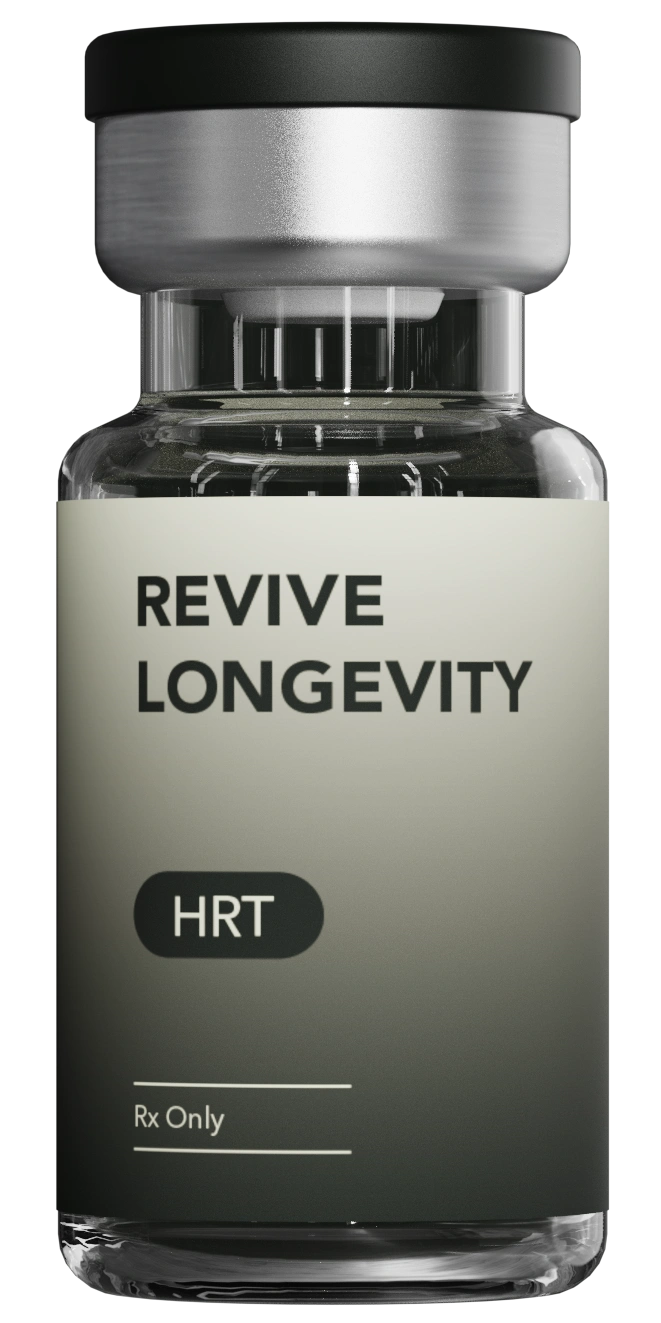
HRT

Hormonal Optimization & Long-Term Vitality
Hormone Replacement Therapy supports the balance of key hormones that influence energy, mood, metabolism, and overall well-being. Each protocol is tailored to the individual, based on lab data and clinical evaluation, to support long-term hormonal stability. The goal is not short-term correction, but sustained balance and improved quality of life over time.
Subscription Plan $299 / every 4 weeks
Get Started →

Card is authorized after plan selection; you are not charged until a licensed provider approves your plan.

Don’t know your BMI? Calculate it here

A Deeper Look Inside HRT

What is HRT?

Hormone Replacement Therapy (HRT) is a treatment that replaces declining hormones; most commonly estrogen, progesterone, and sometimes testosterone; in women experiencing symptoms of perimenopause or menopause. HRT can help relieve hot flashes, night sweats, vaginal dryness, mood changes, sleep disruption, and bone density loss associated with estrogen decline. HRT is available in several forms: oral tablets, transdermal patches, topical creams or gels, vaginal rings or creams, and compounded bioidentical formulations. The choice depends on your symptoms, medical history, and provider’s assessment. Compounded bioidentical hormone therapy is not FDA-approved. FDA-approved hormone therapy products include Premarin®, Estrace®, Climara®, Vivelle-Dot®, Prometrium®, and Bijuva®. Compounded bioidentical formulations are prepared by state-licensed compounding pharmacies under Section 503A of the Federal Food, Drug, and Cosmetic Act. A valid prescription from a licensed healthcare provider is required. HRT is individualized based on your symptoms, medical history, and risk factors. Not all applicants qualify. Individual results vary.

The Science

Estrogen and progesterone levels decline during perimenopause and menopause, which can cause vasomotor symptoms (hot flashes, night sweats), genitourinary symptoms (vaginal dryness, painful intercourse, recurrent UTIs), mood and sleep disturbances, and accelerated bone loss. HRT supplements these hormones to reduce symptom burden.

Women with an intact uterus generally require a combined estrogen-plus-progestogen regimen to prevent endometrial hyperplasia. Women who have had a hysterectomy may use estrogen-only therapy. “Bioidentical” hormones refer to compounds that are chemically identical to those produced by the body, though this term does not imply FDA approval or different safety profile from FDA-approved hormone products with the same active ingredient.

Important Safety Information
Tap to read ▾

Warning: Risks of Estrogen-Progestogen Therapy

Estrogen-alone and estrogen-plus-progestogen therapies may increase risks of stroke, venous thromboembolism, breast cancer (combination therapy), endometrial cancer (estrogen alone in women with a uterus), and probable dementia in postmenopausal women over 65.

Do not use hormone therapy if you:

  • Have known, suspected, or a history of breast cancer
  • Have a known or suspected estrogen-dependent neoplasm
  • Have undiagnosed abnormal genital bleeding
  • Have active or recent arterial thromboembolic disease (stroke, MI)
  • Have active or recent deep-vein thrombosis or pulmonary embolism
  • Have liver impairment or disease
  • Have known protein C, protein S, or antithrombin deficiency
  • Are pregnant or suspect you may be pregnant

Tell your provider before starting hormone therapy if you:

  • Have a family or personal history of breast, ovarian, or endometrial cancer
  • Have high blood pressure, high cholesterol, or cardiovascular disease
  • Have diabetes or gallbladder disease
  • Have migraines, asthma, or seizure disorder
  • Have had prior blood clots or take blood thinners
  • Have thyroid disease
  • Smoke or have a history of heavy smoking

Common side effects may include: breast tenderness, nausea, headache, breakthrough bleeding or spotting, mood changes, fluid retention, bloating, and application-site reactions (for patches/creams).

Serious but less common risks may include: deep-vein thrombosis, pulmonary embolism, stroke, myocardial infarction, breast cancer, endometrial cancer (when estrogen is used without progestogen in women with a uterus), gallbladder disease, and severe allergic reactions.

This is not a complete list of side effects or contraindications. Compounded hormone therapy is not FDA-approved. Regular follow-up and screenings (mammogram, pelvic exam, blood pressure, lipid panel) are recommended. Talk to a licensed healthcare provider before starting or continuing HRT.

How Revive Longevity Works

0

Submit Your Application

Complete a short online wellness quiz so we can understand your goals, health history, and what’s right for you.

0

Connect with a Licensed Provider

A healthcare provider reviews your information to determine if you qualify for prescription medication. No waiting rooms, no hassle.

0

Begin Your Wellness Journey

If approved, your medication ships directly to your door in as little as 1–2 days; with ongoing support to keep you on track.

Why members choose Revive

Provider-reviewed plans

Every plan is reviewed by a licensed healthcare provider before medication is dispensed.

Medical oversight
Shipped to your door

Medication arrives in discreet packaging on a consistent schedule; no pharmacy trips required.

Delivery
Help between doses

Reach your care team with questions about dosing, side effects, or your progress; support is part of the program.

Support
Transparent monthly pricing

One flat rate covers your plan. No surprise fees, no insurance runaround.

Pricing

Frequently Asked Questions

When should I consider HRT?

HRT is commonly considered during perimenopause or menopause when symptoms; such as hot flashes, night sweats, sleep disruption, mood changes, vaginal dryness, or reduced libido; affect quality of life. Your provider will review your symptoms, risk factors, and medical history to determine whether HRT is appropriate.

“Bioidentical” hormones are molecularly identical to those your body produces (such as estradiol and progesterone). Many FDA-approved products are bioidentical. Compounded bioidentical formulations are custom-prepared but are not FDA-approved. Your provider can help you choose between FDA-approved and compounded options.

Duration is individualized. Current guidelines support HRT for symptom management for 3 to 5 years after menopause for most women, though some may use it longer under medical supervision. Risks and benefits are reviewed regularly with your provider.

Yes. Estrogen therapy helps preserve bone mineral density, especially when started near menopause onset. HRT is one of several therapies recognized for postmenopausal bone protection, though it is typically prescribed for symptom relief with bone benefit as a secondary consideration.

Complete our online health assessment, note any current medications and recent labs, and connect with a licensed provider. If HRT is appropriate for you, your provider will develop a personalized plan and ship your medication discreetly.