Medically reviewed by Diana Medina, PA-C, board-certified Physician Associate · Last reviewed June 14, 2026
Key takeaways
Fatigue (tiredness) is listed among adverse reactions reported in at least 5% of patients in the Zepbound (tirzepatide) FDA prescribing information; it is not in the at-least-5% list on the Mounjaro label.
Plausible, hedged contributors to tiredness include a sharply reduced calorie intake, dehydration from gastrointestinal side effects, and low blood sugar when tirzepatide is combined with insulin or a sulfonylurea.
Tirzepatide on its own has a low intrinsic risk of hypoglycemia because its glucose-lowering effect is largely glucose-dependent.
Severe or worsening fatigue, signs of dehydration or kidney issues, persistent vomiting or diarrhea, or low-blood-sugar symptoms warrant prompt contact with a licensed provider.
Does tirzepatide make you tired? It can for some people: fatigue is listed among the adverse reactions reported in at least 5% of patients in the Zepbound (tirzepatide) FDA prescribing information, alongside gastrointestinal and injection-site reactions. Importantly, fatigue is not in the at-least-5% adverse-reaction list on the Mounjaro label, so this article attributes the tiredness signal specifically to Zepbound rather than to tirzepatide generically. Tiredness is usually manageable, but the right response depends on why it is happening. Below we walk through the likely contributors and practical, hedged steps to feel more like yourself.
Is fatigue actually a recognized side effect of tirzepatide?
Yes, on one label. The Zepbound FDA prescribing information includes fatigue among adverse reactions occurring in at least 5% of patients studied in its obesity, overweight, and obstructive-sleep-apnea trials. By contrast, the common adverse-event list for Mounjaro (tirzepatide) in adults with type 2 diabetes is dominated by gastrointestinal effects (nausea, diarrhea, decreased appetite, vomiting, constipation, dyspepsia, abdominal pain) and does not include fatigue at that 5% threshold.
The two brands share the same active molecule but were studied in different populations, which is why the labeled reaction lists differ. When you read “fatigue is a tirzepatide side effect,” it is most precisely a Zepbound labeling point. For a broader walk-through of how the drug behaves, see our overview of tirzepatide side effects and how Zepbound and Mounjaro compare in our Zepbound vs Mounjaro explainer.
Why might tirzepatide make you feel tired?
The label lists fatigue as a reaction but does not assign a single mechanism, so the following are plausible, hedged contributors rather than proven causes for any individual:
Sharply reduced calorie intake. Tirzepatide reduces appetite, and a sudden, large drop in food and fluid intake can leave some people feeling low on energy, especially early in treatment.
Dehydration from GI side effects. The Zepbound label notes that acute kidney injury was reported mostly in patients who had gastrointestinal adverse reactions (nausea, vomiting, diarrhea) leading to dehydration. Dehydration itself commonly feels like tiredness, and staying hydrated is a reasonable first step.
Low blood sugar in specific combinations. Tiredness, shakiness, and difficulty concentrating can be symptoms of hypoglycemia. See the next section for who is actually at higher risk.
Because everyone’s situation differs, treat these as discussion points with your prescriber rather than a self-diagnosis.
Could low blood sugar be the reason?
On its own, tirzepatide carries a low intrinsic risk of hypoglycemia because its glucose-lowering action is largely glucose-dependent. The risk rises when it is combined with insulin or an insulin secretagogue such as a sulfonylurea. The Zepbound label warns that concomitant insulin or an insulin secretagogue may increase the risk of hypoglycemia, including severe hypoglycemia, and that the dose of those medicines may need to be reduced.
This pattern shows up in the trial data: in SURPASS-4 (Lancet, 2021), hypoglycemia was more frequent among participants taking a background sulfonylurea, while clinically significant hypoglycemia was much lower with tirzepatide than with insulin glargine. The practical takeaway: if you take insulin or a sulfonylurea and feel newly tired, lightheaded, or shaky, that is a conversation to have with your prescriber, who decides whether any dose adjustment is appropriate.
Staying hydrated and keeping consistent meals are common, general first steps when energy dips. Educational only, not medical advice.
How can you manage tiredness on tirzepatide?
These are general, educational ideas, not medical advice, and they do not replace your provider’s guidance:
If it persists or worsens over weeks, contact your provider
Tiredness with nausea, vomiting, or diarrhea
Sip fluids steadily to avoid dehydration; rest
Persistent or severe GI symptoms, or signs of dehydration, warrant prompt care
Tiredness plus shakiness or confusion (on insulin/sulfonylurea)
Treat suspected low blood sugar as advised; check with your care team
Recurrent or severe low-sugar episodes need prescriber review
Severe or worsening fatigue, reduced urination, swelling
Do not wait it out
Seek medical care promptly (possible dehydration or kidney signs)
Adequate hydration is a recurring theme because it addresses both the dehydration and the low-energy angles at once. If you are layering tirzepatide alongside other wellness routines, our pieces on NAD injections and glutathione benefits may be useful background, though none of these is a treatment for medication side effects.
How does dosing relate to side effects?
The Zepbound regimen is designed to start low and increase gradually, which is generally intended to help tolerability. Per the FDA prescribing information, the approved schedule is summarized below. This is educational only; defer to the product’s Instructions for Use and your prescriber, and never start, change, or self-manage a dose on your own.
Step
Zepbound dose (once weekly)
Initiation (first 4 weeks)
2.5 mg
Increase thereafter
2.5 mg increments after at least 4 weeks at the current dose
Fatigue questions often come up alongside questions about how much weight people lose. As background only: in SURMOUNT-1 (NEJM, 2022), 2,539 adults with obesity or overweight without type 2 diabetes received tirzepatide for 72 weeks as an adjunct to a reduced-calorie diet and increased physical activity. Mean weight reduction was 15.0%, 19.5%, and 20.9% at 5, 10, and 15 mg (treatment-regimen estimand) versus 3.1% with placebo; the efficacy estimand was 16.0%, 21.4%, and 22.5%. These are 72-week trial averages used with lifestyle changes, and individual results vary. Keep the two estimands distinct rather than blending them.
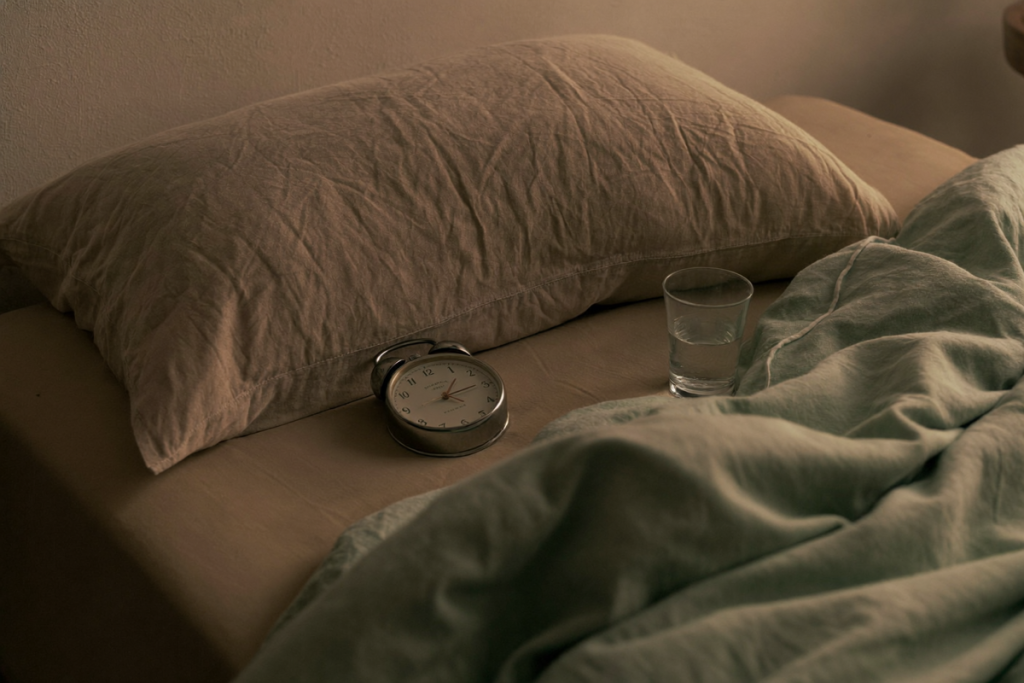
Protecting sleep is part of the general fatigue picture; severe or worsening tiredness warrants contacting a provider.
When should you contact a provider?
Reach out to a licensed provider, or seek prompt medical care, if you experience:
Severe or worsening fatigue that does not improve;
Signs of dehydration or kidney problems (markedly reduced urination, dizziness, swelling) — the Zepbound label links acute kidney injury chiefly to GI-related dehydration;
Persistent or severe nausea, vomiting, or diarrhea;
Symptoms of low blood sugar (shakiness, sweating, confusion), especially if you also take insulin or a sulfonylurea.
This article is educational information, not medical advice, and is not a substitute for an evaluation by your own clinician.
Frequently asked questions
Is fatigue a labeled side effect of tirzepatide?
Fatigue is listed among adverse reactions reported in at least 5% of patients in the Zepbound (tirzepatide) FDA prescribing information. It is not in the at-least-5% adverse-reaction list on the Mounjaro label, which is dominated by gastrointestinal effects.
Why do I feel tired on tirzepatide?
The label does not name one cause. Plausible, hedged contributors include a sharply reduced calorie and fluid intake, dehydration from GI side effects, and, in specific combinations, low blood sugar. A provider can help identify what applies to you.
Does tirzepatide cause low blood sugar?
On its own, tirzepatide has a low intrinsic risk of hypoglycemia because its effect is largely glucose-dependent. Risk rises when it is combined with insulin or an insulin secretagogue such as a sulfonylurea, per the Zepbound label and SURPASS-4 data.
How can I reduce tiredness while taking it?
General, non-personalized steps include staying well hydrated, keeping protein and meals consistent despite reduced appetite, and protecting sleep. If fatigue is severe, persistent, or paired with GI or low-sugar symptoms, contact your provider rather than adjusting your medication yourself.
Is compounded tirzepatide the same as Zepbound or Mounjaro?
No. Zepbound and Mounjaro are FDA-approved. Compounded tirzepatide is not FDA-approved, and the FDA has not evaluated it for safety, effectiveness, or quality. The FDA removed tirzepatide from its shortage list in October 2024, so mass compounding on shortage grounds is no longer permitted.
Should I stop tirzepatide if I feel tired?
Do not start, stop, or change your dose on your own. Discuss persistent or severe fatigue with the licensed provider who manages your treatment; they decide whether any change is appropriate.
Talk to a licensed provider about tirzepatide
If you are weighing tirzepatide and want to understand side effects like fatigue in the context of your own health, a licensed provider can review your history and goals with you.
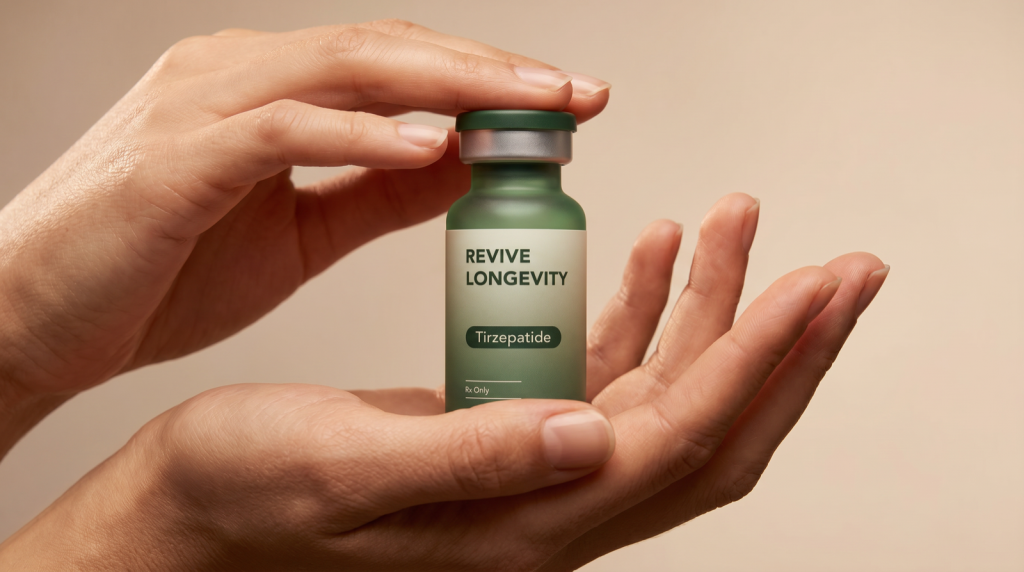
Revive’s tirzepatide is a compounded medication. Compounded tirzepatide is not FDA-approved, and the FDA has not evaluated it for safety, quality, or efficacy. Prescription treatments require a consultation with a licensed provider, who determines whether treatment is appropriate. This content is educational and not medical advice. Individual results vary.
U.S. Food & Drug Administration / DailyMed. ZEPBOUND (tirzepatide) Prescribing Information (adverse reactions, warnings, dosing). https://dailymed.nlm.nih.gov/dailymed/drugInfo.cfm?setid=487cd7e7-434c-4925-99fa-aa80b1cc776b
Eli Lilly Medical. What are the common adverse events with Mounjaro (tirzepatide) in adults? https://medical.lilly.com/us/products/answers/what-are-the-common-adverse-events-with-mounjaro-tirzepatide-in-adults-310838
Del Prato S, et al. Tirzepatide versus insulin glargine in type 2 diabetes and increased cardiovascular risk (SURPASS-4). The Lancet (2021). https://www.thelancet.com/journals/lancet/article/PIIS0140-6736(21)02188-7/abstract
Jastreboff AM, et al. Tirzepatide Once Weekly for the Treatment of Obesity (SURMOUNT-1). New England Journal of Medicine (2022). https://www.nejm.org/doi/full/10.1056/NEJMoa2206038
Eli Lilly / PR Newswire. Lilly’s SURMOUNT-1 Results Published in NEJM (2022). https://www.prnewswire.com/news-releases/lillys-surmount-1-results-published-in-the-new-england-journal-of-medicine-show-tirzepatide-achieved-between-16-0-and-22-5-weight-loss-in-adults-with-obesity-or-overweight-301561327.html
U.S. Food & Drug Administration. FDA Clarifies Policies for Compounders as National GLP-1 Supply Begins to Stabilize. https://www.fda.gov/drugs/drug-alerts-and-statements/fda-clarifies-policies-compounders-national-glp-1-supply-begins-stabilize
U.S. Food & Drug Administration. FDA’s Concerns with Unapproved GLP-1 Drugs Used for Weight Loss. https://www.fda.gov/drugs/postmarket-drug-safety-information-patients-and-providers/fdas-concerns-unapproved-glp-1-drugs-used-weight-loss
Which areas of your health are you looking to improve?
Select all that apply.
Just a few details so we can recommend the right next step.
We'll route you to the best fit and follow up with personalized guidance.

 Medically reviewed by Diana Medina, PA-C, board-certified Physician Associate · Last reviewed June 14, 2026