
What Is PT-141 (Bremelanotide)? How It Works and Its FDA Status

 Medically reviewed by Diana Medina, PA-C, board-certified Physician Associate · Last reviewed July 9, 2026
Key takeaways
- PT-141 (bremelanotide) is a synthetic cyclic heptapeptide and melanocortin receptor agonist that acts centrally in the brain, not on genital blood flow.
- Bremelanotide is FDA-approved only as Vyleesi (approved June 21, 2019) for premenopausal women with acquired, generalized hypoactive sexual desire disorder (HSDD). It is not FDA-approved for men or for erectile dysfunction.
- Any compounded PT-141, including nasal-spray forms and any use in men, is off-label and not FDA-approved.
- Common side effects include nausea, flushing, headache, and injection-site reactions; it transiently raises blood pressure, so it is not recommended for people with uncontrolled hypertension or known cardiovascular disease.
- PT-141 is prescription-only and provider-determined. Where Revive dispenses it, the product is a compounded preparation used off-label only when a licensed provider decides it is appropriate.
The pt-141 peptide, known generically as bremelanotide, is a synthetic melanocortin receptor agonist that works centrally in the brain to influence sexual desire and arousal, rather than acting on genital blood flow the way PDE5 inhibitors (such as sildenafil) do. Bremelanotide is FDA-approved only as Vyleesi, for premenopausal women with hypoactive sexual desire disorder; use in men and any compounded version is off-label. This article is educational and not medical advice. PT-141 is prescription-only, so talk with a licensed provider.
What is PT-141 (bremelanotide)?
PT-141 is the research and compounding name for bremelanotide, a synthetic cyclic heptapeptide (a short, ring-shaped chain of seven amino acids). It belongs to a class of medications called melanocortin receptor agonists, which means it binds to and activates melanocortin receptors in the body. Unlike many sexual-health medications that focus on blood flow, PT-141 was studied for its effect on the neural pathways that regulate sexual desire itself.
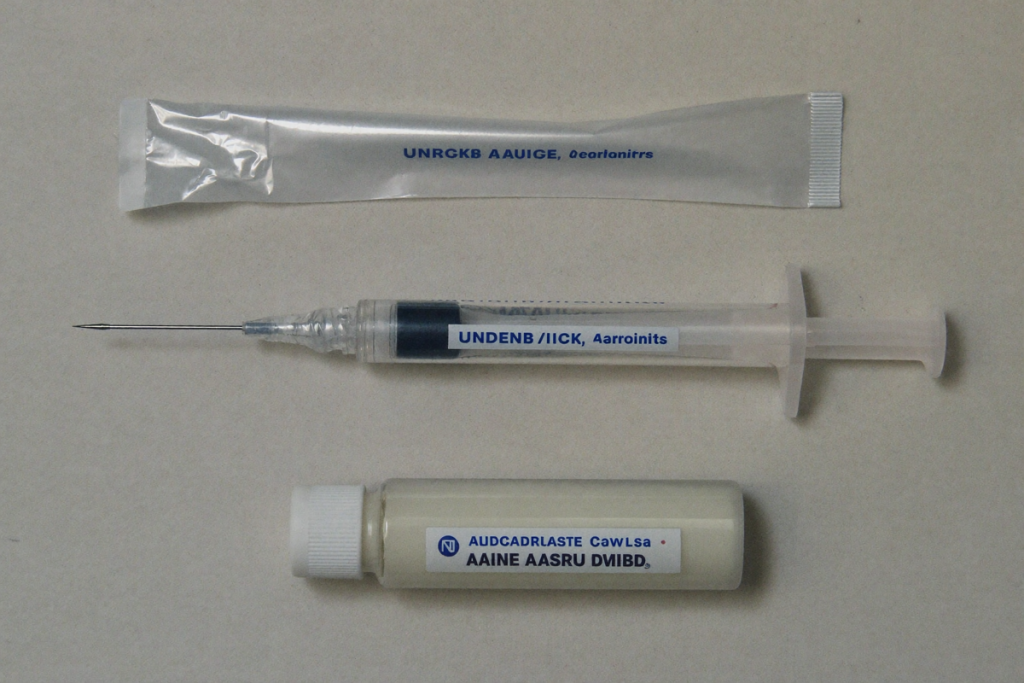
Because it is a peptide, PT-141 is not absorbed well as a pill and is delivered by injection or, in some off-label compounded forms, as a nasal spray. The only version that has completed FDA review is the branded product Vyleesi, a subcutaneous injection. Everything else described as “PT-141” is a compounded preparation, which is a different regulatory category discussed below.
How PT-141 works: the melanocortin (MC4R) pathway
PT-141 activates melanocortin receptors, primarily the MC4 receptor (MC4R) and to a lesser degree MC3R, that are concentrated in the central nervous system, including the hypothalamus. Activating these receptors is thought to influence dopamine and oxytocin signaling, two chemical messengers involved in desire, motivation, and arousal. In other words, the proposed mechanism is neurological: it targets the brain circuitry associated with sexual desire.
Central action versus peripheral action
This central mechanism is the key difference between PT-141 and PDE5 inhibitors such as sildenafil (Viagra) and tadalafil (Cialis). PDE5 inhibitors act peripherally, relaxing blood vessels to improve blood flow to the genitals. PT-141 acts centrally, upstream of blood flow, on the signaling that shapes desire and arousal. Because the targets are different, the two categories address different aspects of sexual response, and a licensed provider considers which mechanism, if any, fits a given situation.

PT-141 versus PDE5 inhibitors: two different targets
The table below contrasts PT-141 with the PDE5-inhibitor class at a high level. It is a simplified educational comparison, not a recommendation, and it does not replace an individualized evaluation.
| Feature | PT-141 (bremelanotide) | PDE5 inhibitors (e.g., sildenafil, tadalafil) |
|---|---|---|
| Drug class | Melanocortin receptor agonist (peptide) | Phosphodiesterase type 5 inhibitor (small molecule) |
| Where it acts | Centrally, in the brain (hypothalamus) | Peripherally, on genital blood vessels |
| Proposed focus | Sexual desire and arousal signaling | Blood flow supporting erectile function |
| FDA-approved use | Only as Vyleesi, for premenopausal women with HSDD | Erectile dysfunction (and other approved uses) |
| Typical form | Subcutaneous injection (Vyleesi); off-label compounded injection or nasal spray | Oral tablet |
| Regulatory note for men | Not FDA-approved for men; use is off-label | FDA-approved for erectile dysfunction in men |
What the evidence shows
In premenopausal women (HSDD)
The strongest evidence comes from the women’s HSDD program. In two phase 3 trials known as RECONNECT, which studied bremelanotide 1.75 mg self-administered as needed, women taking bremelanotide had statistically significant improvements in sexual desire and reductions in the distress associated with low desire compared with placebo. These findings supported the FDA approval of Vyleesi in this specific population.
In men (investigational and off-label)
Earlier bremelanotide research included studies in men, including a subset of men who had not responded to sildenafil, and some of these reported improvements in erectile response. However, bremelanotide is not FDA-approved for men, and these earlier findings do not establish approved efficacy. Any use in men should be understood as investigational and off-label, meaning it has not been reviewed or approved by the FDA for that purpose.
FDA status and the compounding regulatory picture
This is the part that is most often misstated, so precision matters. Bremelanotide is FDA-approved only as Vyleesi, approved on June 21, 2019, for premenopausal women with acquired, generalized hypoactive sexual desire disorder. It is not FDA-approved for men and not FDA-approved for erectile dysfunction.
Most products marketed simply as “PT-141,” including nasal sprays and vials used in men, are compounded, not branded Vyleesi. Compounded PT-141 is prepared by licensed compounding pharmacies, is available by prescription only, and is not reviewed by the FDA for safety, effectiveness, or quality the way an approved drug is. Compounding can be appropriate in specific clinical situations, but it is a distinct category, and no compounded PT-141 should be described as “FDA-approved.” Use in men, use for erectile dysfunction, and any nasal-spray form are all off-label.
On dosing, the approved reference point (Vyleesi) is 1.75 mg per 0.3 mL, self-administered subcutaneously via a prefilled autoinjector into the abdomen or thigh at least 45 minutes before anticipated sexual activity, with no more than one dose in 24 hours and no more than eight doses per month. Dosing for any off-label or compounded use is not standardized by the FDA and is determined individually by a licensed provider under medical supervision.
Safety and side effects
In clinical trials, the most common adverse effects of bremelanotide were nausea (about 40 percent of participants), flushing (about 20 percent), headache (about 11 percent), and injection-site reactions.
Bremelanotide also causes transient increases in blood pressure (roughly 6 mmHg systolic and 3 mmHg diastolic) and decreases in heart rate for several hours after each dose. For that reason it is not recommended for people with uncontrolled hypertension or known cardiovascular disease. With repeated use, focal hyperpigmentation (darkening of the skin, face, or gums) can occur, and this is more likely with frequent or daily dosing. Because of these considerations, PT-141 is prescription-only: a licensed provider screens for contraindications, reviews your history and medications, and monitors use.
Who is a candidate?
There is no self-serve answer to this question, and that is by design. Candidacy is determined by a licensed provider after reviewing your health history, blood pressure and cardiovascular status, current medications, and goals. People with uncontrolled high blood pressure or known cardiovascular disease are generally not appropriate candidates. For the approved product, the indicated population is specifically premenopausal women with acquired, generalized HSDD; any other use falls under off-label prescribing, which a provider weighs case by case.
How Revive approaches PT-141
Revive Longevity treats PT-141 as a prescription-only, provider-led option, not a supplement. Where Revive dispenses PT-141, the product is a compounded preparation from a licensed pharmacy (not the branded Vyleesi), used off-label, and only where a licensed provider determines it is appropriate after evaluation. It is not FDA-approved, and the provider determines eligibility, form, and whether it fits your situation at all. You can learn more on the PT-141 product page or read about our provider-led process on how Revive works. Nothing here is a promise of results, and none of it is a substitute for a conversation with a licensed clinician.
Frequently asked questions
Is PT-141 FDA-approved?
Bremelanotide is FDA-approved only as the branded product Vyleesi, approved on June 21, 2019, for premenopausal women with acquired, generalized hypoactive sexual desire disorder. It is not FDA-approved for men or for erectile dysfunction, and any compounded PT-141, including nasal sprays, is off-label and not FDA-approved.
How is PT-141 different from Viagra?
They target different points in the sexual-response pathway. PT-141 is a melanocortin receptor agonist that acts centrally in the brain on desire and arousal signaling. Viagra and other PDE5 inhibitors act peripherally, improving blood flow to the genitals. A licensed provider considers which mechanism, if any, is appropriate for you.
Can men use PT-141?
PT-141 is not FDA-approved for men or for erectile dysfunction. Some earlier studies in men reported improvements in erectile response, but those findings do not establish approved efficacy, and any use in men is off-label and investigational. This is a decision made by a licensed provider on an individual basis.
What are the most common side effects of PT-141?
In trials, the most common effects were nausea (about 40 percent), flushing (about 20 percent), headache (about 11 percent), and injection-site reactions. Bremelanotide also transiently raises blood pressure and lowers heart rate, and repeated use can cause skin or gum darkening. It is not recommended for people with uncontrolled hypertension or known cardiovascular disease.
Is compounded PT-141 nasal spray FDA-approved?
No. The only FDA-approved form of bremelanotide is Vyleesi, a subcutaneous injection. Compounded PT-141, whether injection or nasal spray, is prepared by a licensed pharmacy, is prescription-only, and is not reviewed by the FDA for safety, effectiveness, or quality. Nasal-spray forms in particular have less rigorous evidence.
How is PT-141 dosed?
The approved reference (Vyleesi) is 1.75 mg subcutaneously at least 45 minutes before anticipated activity, with no more than one dose in 24 hours and no more than eight per month. Dosing for any off-label or compounded use is not standardized by the FDA and is determined individually by a licensed provider under medical supervision.
Sources
- U.S. Food & Drug Administration — VYLEESI (bremelanotide injection) Prescribing Information. accessdata.fda.gov
- Palatin Technologies — FDA Approves New Drug Application for Vyleesi (bremelanotide injection). palatin.com
- Kingsberg SA, et al. — Bremelanotide for the Treatment of Hypoactive Sexual Desire Disorder: Two Randomized Phase 3 Trials (RECONNECT). Obstetrics & Gynecology, 2019. pmc.ncbi.nlm.nih.gov
- MedlinePlus (National Library of Medicine, NIH) — Bremelanotide Injection. medlineplus.gov
- Diamond LE, et al. — Co-administration of low doses of intranasal PT-141, a melanocortin receptor agonist, and sildenafil to men with erectile dysfunction results in an enhanced erectile response. Urology, 2005. pubmed.ncbi.nlm.nih.gov