
 Medically reviewed by Diana Medina, PA-C, board-certified Physician Associate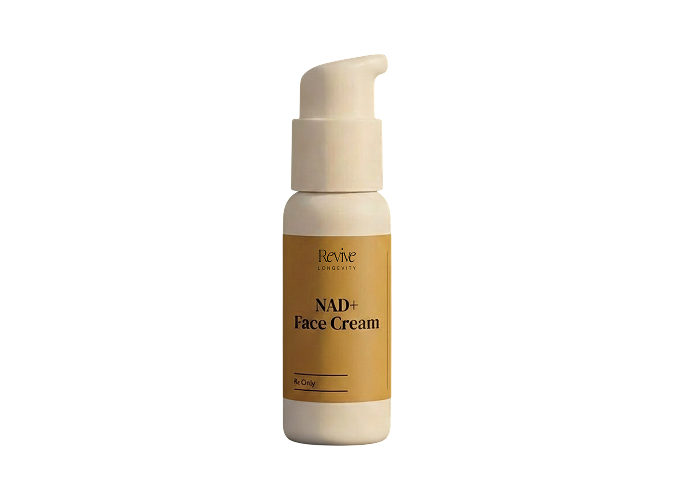
 Card is authorized at checkout · you are not charged until a licensed provider approves your plan.
Don’t know your BMI? Calculate it here

Nicotinamide (a form of vitamin B3 and a NAD+ precursor) is one of the better-studied actives in topical skincare. In controlled studies it has been shown to support skin barrier function and reduce transepidermal water loss,1,2 to modulate pigmentation by limiting the transfer of pigment between skin cells rather than by blocking melanin production,3 and to reduce the appearance of fine lines and red blotchiness with twice-daily use.4 Topical NAD+ itself has far more limited clinical data; the underlying premise is that supporting cellular NAD+ pools in the skin may aid cellular energy and repair processes.
Give any topical routine time. Published split-face trials of niacinamide measured visible changes in lines and blotchiness over 12 weeks of consistent twice-daily use, while pigmentation changes have been reported as early as 4 weeks3,4, plan on 8 to 12 weeks before judging results.
Most of the measured evidence behind a NAD+ face cream comes from nicotinamide, the NAD+ precursor it delivers. Three effects have been studied in controlled settings.
Nicotinamide increases production of ceramides and other lipids that make up the skin’s outer barrier, and topical use has been shown to reduce transepidermal water loss, the moisture that escapes through the skin.1,2 A better-functioning barrier is what makes skin feel comfortable rather than tight.
In clinical and laboratory work, niacinamide reduced facial hyperpigmentation by limiting the transfer of pigment from pigment-producing cells into surrounding skin cells. Notably, it did not block melanin production itself.3 That is a meaningful distinction: this is evening the look of tone, not bleaching.
In a 12-week split-face trial, twice-daily 5% niacinamide reduced the appearance of fine lines and wrinkles, red blotchiness, and sallowness compared with the same base without it.4 Results were measured against a vehicle control on the participants’ own faces.
These are different products with different goals, and evidence for one does not carry over to the other. NAD+ injections are used to support cellular energy throughout the body. A topical NAD+ cream is applied to the face and is intended for how the skin looks and feels. Many patients use both, which is why this cream is described as complementing internal optimization rather than replacing it. If you are deciding between them, start from the outcome you actually want.
References
These studies examine the active ingredients, not this finished product. Cosmetic results vary between individuals.
Do not use this cream if you:
Tell your provider before starting this cream if you:
Common side effects may include: mild redness, tingling, dryness, transient itching on initial use. Patch-test a small area on your inner forearm before applying to the face.
Serious but less common risks may include: severe allergic contact dermatitis, worsening of existing skin conditions, and infection if applied to broken skin.
This is not a complete list of potential reactions. If redness or irritation persists or worsens, discontinue use and consult a licensed healthcare provider. Individual results vary.
0
Complete a short online wellness quiz so we can understand your goals, health history, and what’s right for you.
0
A healthcare provider reviews your information to determine if you qualify for prescription medication. No waiting rooms, no hassle.
0
If approved, your medication ships directly to your door in as little as 1–2 days; with ongoing support to keep you on track.

Every plan is reviewed by a licensed healthcare provider before medication is dispensed.
Medication arrives in discreet packaging on a consistent schedule; no pharmacy trips required.
Reach your care team with questions about dosing, side effects, or your progress; support is part of the program.
One flat rate covers your plan. No surprise fees, no insurance runaround.
The cream combines NAD+ or its precursor nicotinamide with supporting skin-barrier ingredients. Topical nicotinamide is well-studied for improving skin barrier function, reducing fine lines and redness, and evening skin tone. Consistent daily use for 8 to 12 weeks is typically needed for visible improvements.
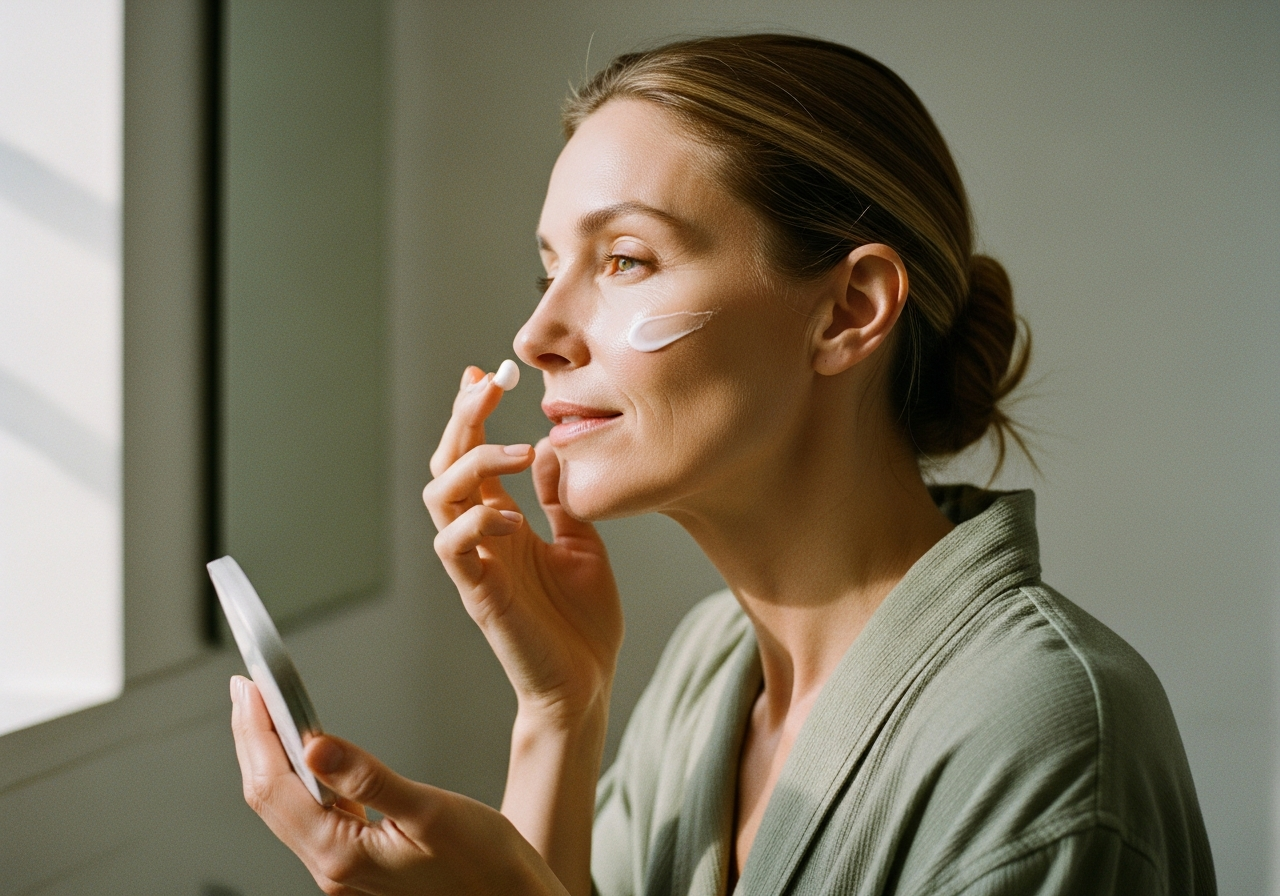
Apply to clean skin once or twice daily; typically morning and evening. A pea-sized amount for the full face is sufficient. Follow with your moisturizer and, in the morning, a broad-spectrum sunscreen. Avoid the immediate eye area unless the product is formulated for it.
Yes. Nicotinamide is generally well-tolerated with most active ingredients, including retinoids and vitamin C. If you’re using strong acids or retinoids, start slowly and monitor for irritation.
Topical nicotinamide is generally considered low-risk during pregnancy, but discuss any skincare product with your OB or midwife. Avoid combining with retinoids during pregnancy.
Choose a plan above and check out; it only takes a couple of minutes. A licensed provider reviews your information after checkout, and you are not charged until your plan is approved. If you choose the subscription, you can cancel future renewals anytime through your patient portal or by emailing support@revivelongevity.com. Visible improvements are typical after 8 to 12 weeks of daily use.