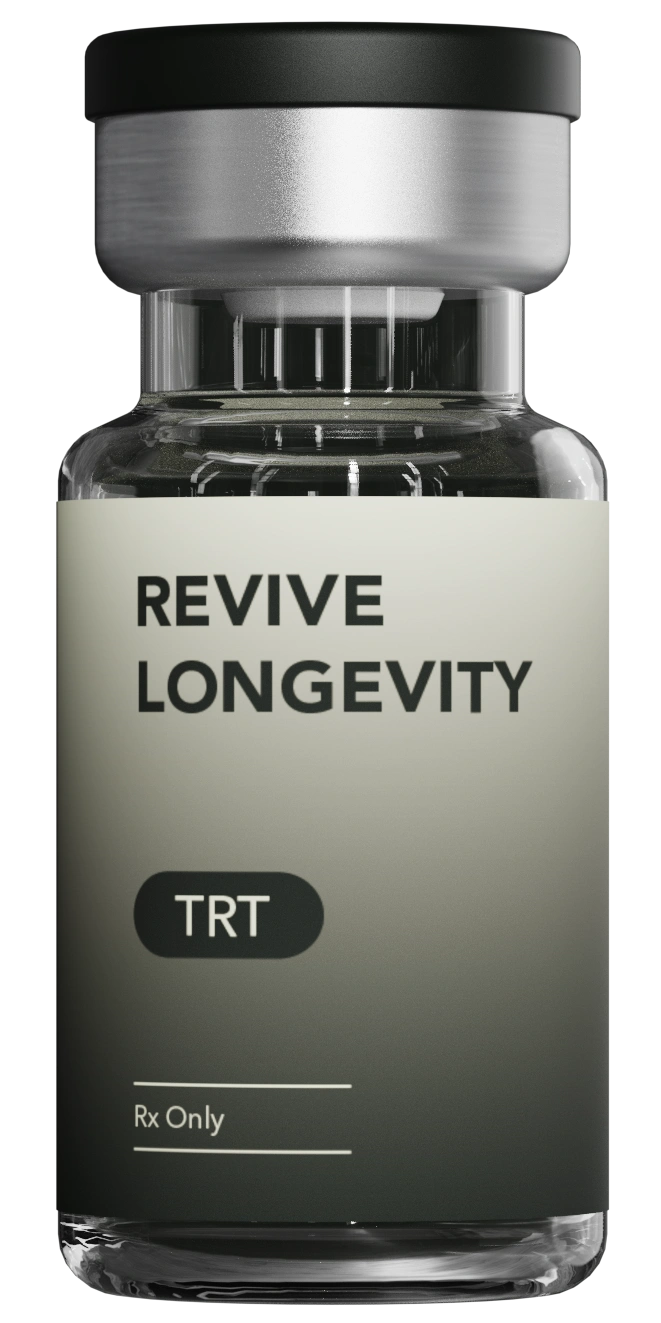
TRT

Hormonal Balance & Performance Support
Testosterone Replacement Therapy is used to restore testosterone levels in individuals with clinically low levels. Optimized testosterone levels are associated with improvements in energy, strength, recovery, and overall quality of life. All TRT protocols are physician-guided and based on lab work and individual health profiles to ensure safe and appropriate use.
Subscription Plan $299 / every 4 weeks
Get Started →

Card is authorized after plan selection; you are not charged until a licensed provider approves your plan.

Don’t know your BMI? Calculate it here

A Deeper Look Inside TRT

What is TRT?

Testosterone Replacement Therapy (TRT) is a medical treatment that restores testosterone to a healthy range in adult men who have clinically low testosterone (hypogonadism) confirmed by laboratory testing. Testosterone is the primary male sex hormone and plays a central role in muscle mass, bone density, red blood cell production, mood, energy, and sexual function. TRT is available as weekly or bi-weekly intramuscular or subcutaneous injections (testosterone cypionate or enanthate), daily topical gels, or long-acting pellets. Your provider will determine the formulation and dose based on your lab values, symptoms, and treatment goals. Compounded testosterone is not FDA-approved. FDA-approved testosterone products include AndroGel®, Testim®, Axiron®, Xyosted®, Depo-Testosterone®, and Testopel®. Compounded testosterone is prepared by state-licensed compounding pharmacies under Section 503A of the Federal Food, Drug, and Cosmetic Act to meet specific patient needs. A valid prescription from a licensed healthcare provider is required, and TRT is only initiated after laboratory-confirmed hypogonadism (typically total testosterone below 300 ng/dL on two morning readings). Not all applicants qualify. Individual results vary.

The Science

Testosterone is produced primarily in the testes under signals from luteinizing hormone (LH) released by the pituitary gland. In hypogonadism, either the testes fail to produce adequate testosterone (primary hypogonadism) or the signaling pathway is impaired (secondary or central hypogonadism). TRT delivers exogenous testosterone to compensate, normalizing serum levels when appropriately dosed.

Clinical studies of FDA-approved testosterone therapies in hypogonadal men have shown improvements in libido, erectile function, lean body mass, bone mineral density, and energy when therapy is properly monitored. TRT also carries cardiovascular, hematologic, and prostate-related risks that must be evaluated against potential benefits by a licensed provider. TRT is not indicated for men with normal testosterone levels or for performance enhancement.

Important Safety Information
Tap to read ▾

Warning: Cardiovascular and Blood-Related Risks

Testosterone therapy may increase the risk of major adverse cardiovascular events (including myocardial infarction and stroke), venous thromboembolism, polycythemia, and worsening of untreated sleep apnea.

Do not use testosterone if you:

  • Have known or suspected prostate cancer
  • Have breast cancer
  • Have severe, untreated obstructive sleep apnea
  • Have untreated severe benign prostatic hyperplasia (BPH)
  • Have a hematocrit above safe thresholds
  • Are under 18 or using testosterone for anti-aging purposes alone
  • Are planning a pregnancy with a partner (testosterone suppresses sperm production)

Tell your provider before starting testosterone if you:

  • Have heart disease, a history of stroke, or blood clots
  • Have liver or kidney disease
  • Have sleep apnea (treated or untreated)
  • Have a personal or family history of prostate or breast cancer
  • Have elevated PSA, urinary symptoms, or BPH
  • Take blood thinners, insulin, or corticosteroids
  • Wish to preserve fertility

Common side effects may include: acne, oily skin, fluid retention, gynecomastia (breast tissue), testicular shrinkage, decreased sperm count, polycythemia, mood changes, injection-site pain (for injectables), skin irritation or transfer risk (for gels).

Serious but less common risks may include: major adverse cardiovascular events, stroke, pulmonary embolism, worsening sleep apnea, accelerated growth of an undetected prostate cancer, severe polycythemia, severe acne, liver abnormalities (with oral testosterone), or anaphylaxis to the carrier oil (injectables).

This is not a complete list of side effects or contraindications. Compounded testosterone is not FDA-approved. Periodic lab monitoring (testosterone, hematocrit, PSA, lipids, liver function) is required during therapy. Talk to a licensed healthcare provider before starting or continuing TRT.

How Revive Longevity Works

0

Submit Your Application

Complete a short online wellness quiz so we can understand your goals, health history, and what’s right for you.

0

Connect with a Licensed Provider

A healthcare provider reviews your information to determine if you qualify for prescription medication. No waiting rooms, no hassle.

0

Begin Your Wellness Journey

If approved, your medication ships directly to your door in as little as 1–2 days; with ongoing support to keep you on track.

Why members choose Revive

Provider-reviewed plans

Every plan is reviewed by a licensed healthcare provider before medication is dispensed.

Medical oversight
Shipped to your door

Medication arrives in discreet packaging on a consistent schedule; no pharmacy trips required.

Delivery
Help between doses

Reach your care team with questions about dosing, side effects, or your progress; support is part of the program.

Support
Transparent monthly pricing

One flat rate covers your plan. No surprise fees, no insurance runaround.

Pricing

Frequently Asked Questions

How do I know if I need TRT?

TRT is appropriate for men with clinically low testosterone confirmed by two morning blood tests (typically total testosterone below 300 ng/dL) and symptoms such as low libido, fatigue, mood changes, or reduced muscle mass. Your provider will review labs, symptoms, and medical history to determine whether TRT is right for you.

TRT can be delivered as weekly subcutaneous or intramuscular injections (testosterone cypionate or enanthate), daily topical gels, or long-acting pellets. Injections are common because they provide consistent blood levels and flexible dosing. Your provider selects the formulation based on your labs and preferences.

Most men notice improvements in energy, mood, and libido within 3 to 6 weeks. Changes in body composition, muscle mass, and bone density typically take 3 to 6 months. Response varies, and periodic lab checks help guide dose adjustments.

TRT suppresses the body’s natural signals to produce sperm and can reduce fertility while on therapy. If you want to preserve fertility, your provider may add HCG to maintain testicular function, or discuss alternatives. Always discuss family-planning goals before starting.

Complete our online health assessment, upload recent lab results if available, and connect with a licensed provider. If approved, your personalized TRT plan and medication ship directly to your door.