
Peptide Therapy Near Me: Telehealth in All 50 States

 Medically reviewed by Diana Medina, PA-C, board-certified Physician Associate · Last reviewed July 9, 2026
Ключевые выводы
- “Peptide therapy near me” is a local search, but for prescription peptides and hormones the accurate 2026 answer is licensed telehealth, available in all 50 states.
- Legitimate peptide therapy always requires a prescription, a licensed US provider, and a licensed 503A or 503B pharmacy. Vendors selling “research chemicals” without a prescription are not a lawful route for personal medical use.
- Where a medication is compounded, it is prepared by a licensed pharmacy and is not FDA-approved.
- On July 23 and 24, 2026, an FDA advisory committee (PCAC) reviews peptides including BPC-157 and TB-500 for the 503A bulks list, and FDA has proposed not adding them, so availability of specific compounds can change.
- When you evaluate a program, look for LegitScript certification, licensed US prescribers, a named pharmacy, and transparent pricing.
Searching peptide therapy near me suggests you want a local clinic, but in 2026 the accurate answer for a prescription peptide or hormone program is telehealth. A licensed US provider can evaluate you remotely and, if it is appropriate, prescribe treatment that a licensed pharmacy ships to your door. “Near me” really means “licensed to treat where you live,” and telehealth solves that in all 50 states. This is not medical advice, eligibility is determined by a licensed provider, and individual results vary.
What “peptide therapy near me” really means in 2026
The phrase reads as a request for a nearby storefront, and that instinct made sense when every prescription had to be handed to you in an exam room. Prescription peptide and hormone care no longer works that way. What actually gates your access is not distance, it is licensure: a provider has to be licensed in the state where you physically are, and the pharmacy has to be licensed to dispense to that state. Both conditions travel over telehealth. So the honest translation of “near me” is “licensed to treat where I live,” which a nationwide telehealth clinic can satisfy whether you are in a major metro or a rural county with no longevity clinic for hours.
This matters because the alternative many people find first is not a local clinic at all. It is an online vendor shipping unregulated “research” peptides with no provider attached. That route skips the exact safeguards (prescription, evaluation, and a licensed pharmacy) that make peptide therapy a medical treatment rather than a gamble. Choosing licensed telehealth is not a convenience trade-off. In most cases it is the more accountable option, not the less.
How provider-led telehealth actually works
A legitimate program is a clinical process, not a checkout cart. The steps are consistent across reputable clinics: you complete a detailed medical intake, a licensed provider reviews your history and goals, lab work is ordered when it is clinically indicated, and only then does the provider decide whether a prescription is appropriate for you. If it is, a licensed pharmacy prepares and ships the medication. Care is ongoing rather than one-time, which means dosing is adjusted and you are monitored over the course of treatment instead of being sold a box and left alone.
Two details separate this from a transaction. First, a real provider can decide the answer is no, or “not yet,” or “let’s treat something else first.” Second, the relationship continues, because hormones and metabolic therapies require follow-up to stay both safe and useful.
What licensed telehealth programs may include
Depending on your evaluation, a provider-led program may draw from several categories. Every item below is prescription-only and provider-determined, and where a medication is compounded it is prepared by a licensed 503A or 503B pharmacy and is not FDA-approved.
- Hormone health: TRT, HRT, HCG, sermorelin, and enclomiphene.
- Weight management: compounded tirzepatide, and lipotropic injections with B12.
- Vitality and anti-aging: NAD+ and glutathione.
- Sexual health: PT-141.
No single patient is a candidate for all of these, and the list is not a menu to order from. It is the range a licensed provider may consider after assessing your history, labs, and goals.
How to tell legitimate care from a “research chemical” vendor
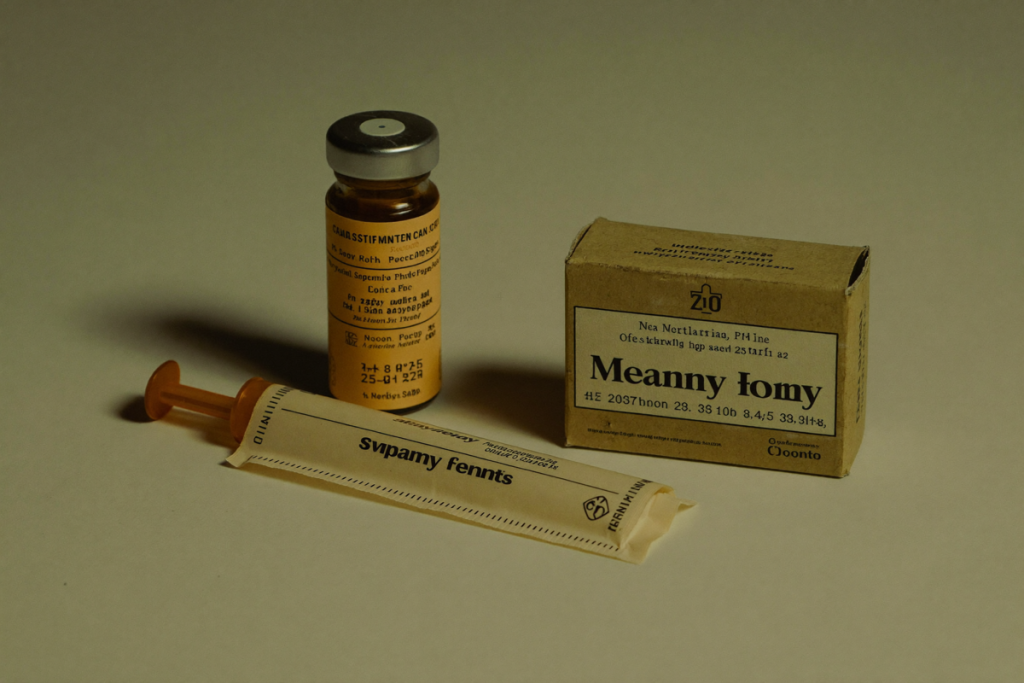
This is the single most important distinction in the entire category. Legitimate peptide therapy requires a prescription, a licensed provider, and a licensed pharmacy. That is categorically different from the online vendors that sell peptides labeled “research use only” or “not for human consumption” with no prescription and no clinician involved. Those disclaimers are not marketing quirks. They exist because selling those products for personal medical use is not a lawful route, and no one is accountable for your dosing, screening, or safety. The certifications and signals worth checking are concrete: LegitScript certification, licensed US prescribers, a named 503A or 503B pharmacy, and transparent pricing.
| What to check | Licensed telehealth peptide therapy | “Research chemical” / gray-market vendor |
|---|---|---|
| Рецепт | Required, after a provider evaluation | None; sold without a prescription |
| Clinical oversight | Licensed US provider reviews and monitors | No provider; you self-direct |
| Where the medication comes from | Licensed 503A or 503B pharmacy | Unregulated supplier |
| Product labeling | Patient-specific, for personal medical use | Often “research use only” or “not for human consumption” |
| Certifications | LegitScript, licensed prescribers, named pharmacy | None disclosed |
| Lawful for personal medical use | Yes, with a valid prescription | No; not a lawful route |
FDA status and the 503A compounding rules
Precision matters here, because the category is often described inaccurately. FDA-approved drugs (for example, brand-name testosterone products) go through full FDA review. Compounded medications do not. Under section 503A of the Federal Food, Drug, and Cosmetic Act, a licensed pharmacy can prepare a patient-specific compounded drug based on a valid prescription, but that drug is not FDA-approved, and it should never be described as such. Both approved and compounded medicines have a legitimate place in provider-led care, and the difference is a fact your provider should be transparent about.
The regulatory picture is also actively moving. On July 23 and 24, 2026, FDA’s Pharmacy Compounding Advisory Committee is scheduled to review a group of research peptides, including BPC-157 and TB-500, for the 503A bulk drug substances list, and FDA has proposed not adding them to that list. The practical takeaway is simple: the availability of specific compounds can change, and a licensed provider is the person who determines what is appropriate and lawful for you, based on current rules rather than on what an unregulated vendor happens to be shipping this month.

Safety, monitoring, and who is a candidate
Not everyone is a candidate, and that is a feature of good care, not a limitation. Eligibility, screening, dosing, and ongoing monitoring are all handled by a licensed provider, which is precisely what a “research chemical” purchase removes from the equation. Your provider weighs your medical history, current medications, lab values, and goals, and continues to check in as treatment proceeds. Individual results vary, no responsible program promises a specific outcome, and none of the information here is medical advice. The right first step is a conversation with a licensed provider who can tell you whether treatment is appropriate for you at all.
Как к этому подходит Revive
Revive Longevity is a 100% virtual, physician-guided telehealth clinic available in all 50 states. Care is ongoing rather than one-time: a licensed provider evaluates you, prescribes only when it is appropriate, and monitors treatment over time. Revive is LegitScript certified (certification ID 50029096), works with licensed pharmacies, and uses flat monthly pricing with no insurance required, so the cost is clear before you start. You can see the full provider-led process on the как это работает page and review plans on the цен page. Questions can go to support@revivelongevity.com or +1-786-410-3535 (1010 S Federal Hwy, Suite 1400, Hallandale Beach, FL 33009).
Часто задаваемые вопросы
Is “peptide therapy near me” better handled by a local clinic or telehealth?
For prescription peptides and hormones, what matters is not physical distance but licensure. A provider must be licensed in your state and the pharmacy must be able to dispense there. Licensed telehealth meets both conditions in all 50 states, which is why “near me” effectively means “licensed to treat where you live.” This is not medical advice, and eligibility is provider-determined.
Are compounded peptides FDA-approved?
No. Compounded medications are prepared by a licensed 503A or 503B pharmacy based on a valid prescription, and they are not FDA-approved. They should never be described as FDA-approved. Both FDA-approved and compounded medicines can have a legitimate role in provider-led care, and a transparent clinic will tell you which is which.
What is happening with BPC-157 and TB-500 in 2026?
On July 23 and 24, 2026, FDA’s Pharmacy Compounding Advisory Committee is scheduled to review several research peptides, including BPC-157 and TB-500, for the 503A bulk drug substances list, and FDA has proposed not adding them. Availability of specific compounds can change, and a licensed provider determines what is appropriate and lawful for you.
Do I need a prescription for peptide therapy?
Yes. Legitimate peptide therapy requires a prescription from a licensed provider and dispensing by a licensed pharmacy. Online vendors selling peptides labeled “research use only” or “not for human consumption” without a prescription are not a lawful route for personal medical use.
Is Revive available in my state?
Revive Longevity is a 100% virtual telehealth clinic available in all 50 states, so where you live does not limit access to an evaluation. Whether treatment itself is appropriate is a separate question that a licensed provider decides after reviewing your history, goals, and any indicated lab work.
How do I avoid unsafe “research chemical” peptide vendors?
Look for concrete signals of accountability: LegitScript certification, licensed US prescribers, a named 503A or 503B pharmacy, a required prescription, and transparent pricing. If a seller offers peptides with no provider, no prescription, and “not for human consumption” labeling, it is not a lawful source for personal medical use.
Источники
- U.S. Food and Drug Administration — July 23-24, 2026: Meeting of the Pharmacy Compounding Advisory Committee. fda.gov
- U.S. Food and Drug Administration — Human Drug Compounding Laws (sections 503A and 503B). fda.gov
- U.S. Food and Drug Administration — Bulk Drug Substances Used in Compounding Under Section 503A of the FD&C Act. fda.gov
- U.S. Food and Drug Administration — Compounding and the FDA: Questions and Answers. fda.gov
- LegitScript — Healthcare Certification: Operate Safely Online. legitscript.com